Table of Contents
ToggleWhat is Guru Purnima?
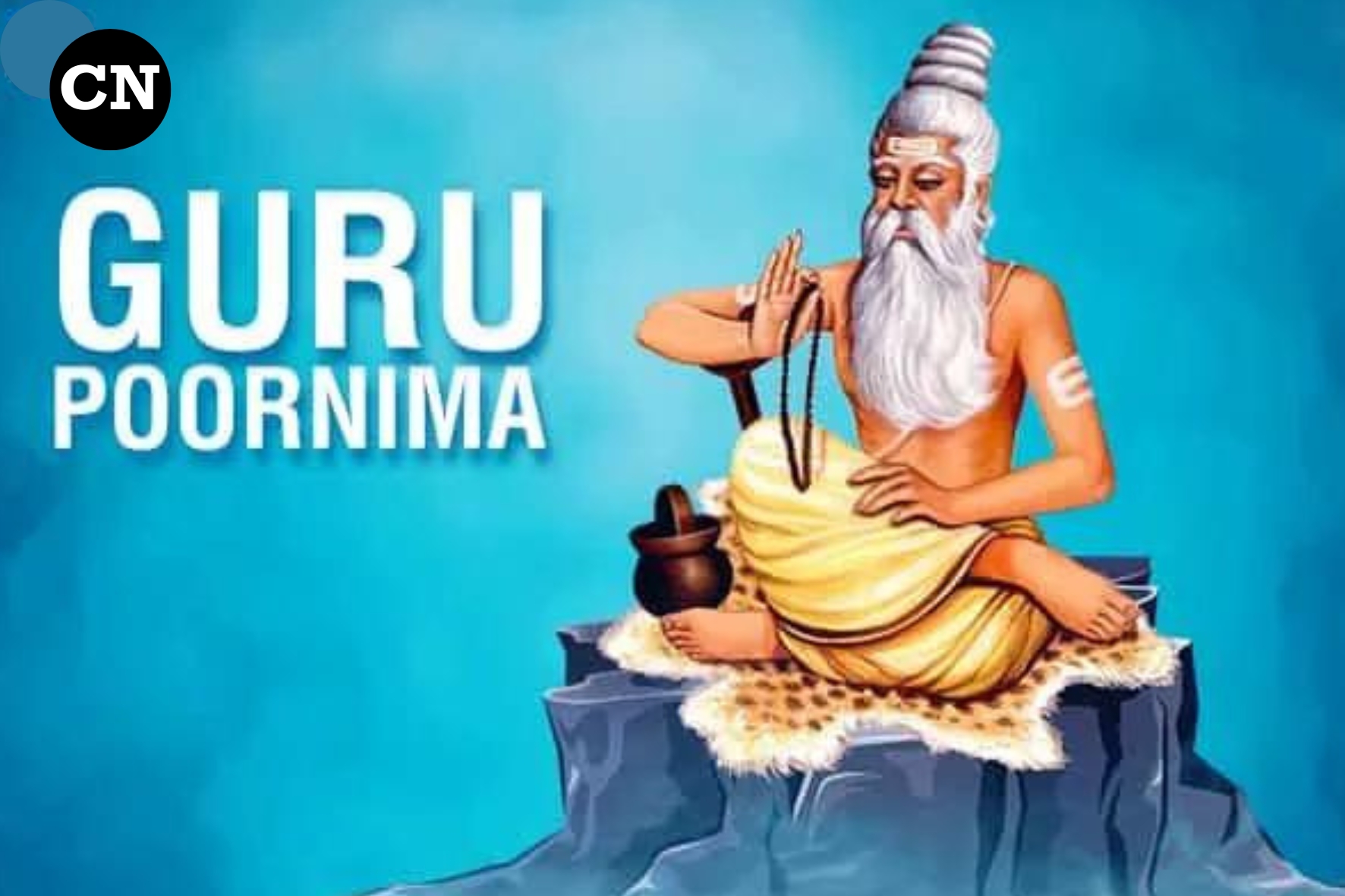
In Hindu culture, the status of a guru or teacher is higher than that of God. Because a guru or teacher shows us the way to God. Hence, Guru Purnima is celebrated as a mark of respect to all scholars and teachers. This is one of the most important Hindu festivals in India. Buddhists also celebrate Guru Purnima to express gratitude for the Buddha’s teachings.
But astrologically, the first full moon after the summer solstice is celebrated as the brightest full moon of the year, and it is called Guru Purnima. This, along with the darkest new moon night, called Maha Shivratrii is celebrated as two of the most important days of the year for the profound impact they have on the human system, and as a consequence, the spiritual possibilities that they offer.
When is Guru Purnima in 2025?
Guru Purnima 2025, an important festival celebrated by Hindus, Buddhists, and Jains, honors the spiritual and intellectual teachers who guide us on our journey. Guru Purnima will be celebrated on Thursday, 10th July, 2024. It is an occasion of gratitude and respect to our Gurus for this festival. It is certain that Guru Purnima is a glorious event filled with devotion and reverence.
Why Guru Purnima is Important?
Ancient Sanskrit words: Mata, Pita, Guru, Daivam. This means that the mother occupies the first position, the father occupies the second position, the Guru or teacher occupies the third position, and the fourth is God. According to this word, gurus are more important and respected because, before God, gurus have a higher authority.
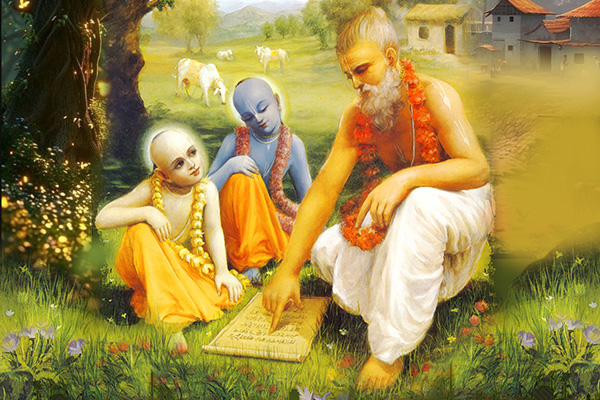
Since ancient times, the relationship between guru and shishya, master and disciple, has been special. A Guru is someone who shows us the right path in life and helps us get closer to God. Without a Guru, everyone’s life would be miserable. Therefore, many religions celebrate Guru Purnima as honor their gurus.
How to Celebrate Guru Purnima?
Guru Purnima is celebrated with different rituals in different regions and cultures. However, many people adhere to certain following practices:
- Guru Puja: Devotees perform a special puja (worship) to their Guru. This includes offering flowers, fruits, and other items as a sign of respect and gratitude.
- Exposition of the Scriptures: On this auspicious day, students read the scriptures and the teachings of their masters. This is a way to internalize the knowledge provided by their guru.
- Satsang and Bhajans: Many communities organize satsangs (devotional meetings) to glorify the Guru and sing bhajans (devotional songs). These encounters help build spirituality and reinforce the teachings of the Guru.
- Seva Offering: Students engage in seva (selfless service) as a symbol of devotion. This may include helping to look after the ashram or community hall, cooking, or helping to organize events.
- Meditation: Many students meditate and reflect throughout the day, thinking about their guru’s teachings and their impact on their lives.
- Feast: Some communities prepare a special meal and distribute prasad (sacred food) to all attendees. It is a day of community unity and sharing.
About the Author